
Summit on Behavioral Health in Energy Country: Partnering to Expand Outreach and Share Solutions
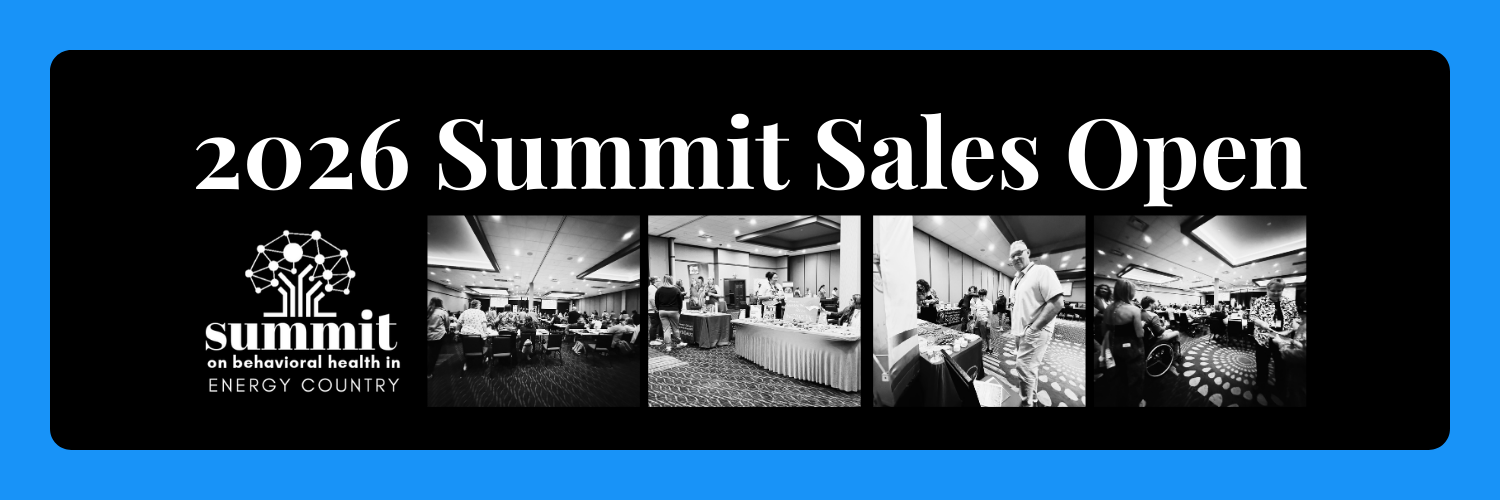
In western North Dakota, people show up for each other. We do it in small ways and in big ways. We bring meals. We cover a shift. We check on a neighbor who has gone quiet. We also show up by learning together, especially when the challenges are complex and the stakes are high.
That is why the Summit on Behavioral Health in Energy Country exists. It is a place where community members and professionals come together to share what is working, name what is still hard, and strengthen the local networks that hold people through crisis and recovery.
Behavioral health is not only a clinical issue. It shows up in schools, workplaces, homes, and everyday conversations. It can look like anxiety that never turns off, grief that has nowhere to go, addiction that isolates families, or stress that turns into burnout. In energy country, those pressures can be intensified by shift work, long travel distances, fast community change, and the weight of doing too much with too few resources.
When communities treat behavioral health as something to whisper about, stigma grows. People wait longer to ask for help. Families carry pain alone. Communities miss chances to connect someone with support early. Breaking stigma is not about slogans. It is about building shared understanding, normalizing honest conversation, and making it easier to find help without fear of judgment.
This year’s planning committee is shaping the summit around what participants asked for and what the region needs now. The committee is continuing work on a suicide prevention panel that centers on lived experience voices, with outreach and confirmations underway.
Lived experience matters because it reminds us that behind every topic is a person, a family, and a story. It also helps communities move from abstract concern to real compassion and practical action.
The committee is also reaffirming its commitment to youth involvement because feedback from prior events has been consistently strong.
Youth panels and youth-informed content help adults listen better, respond earlier, and build healthier support systems for young people who are navigating stress, social pressure, trauma, and uncertainty in real time.
Another benefit of gathering is information sharing. In rural areas, the gap is not always a lack of caring. Often, it is a lack of connection. People may not know what services exist, how to access them, what is available after hours, or how to support someone while they wait for care. Professionals may be solving similar problems in different towns without a clear way to learn from each other. The summit helps close those gaps by bringing people into the same room to share tools, approaches, and referral pathways.
If you care about behavioral health, this summit is for you. If you support people in your job, this summit is for you. If you are a community leader who wants your town to have stronger connections and clearer pathways to help, this summit is for you.
This is how we move forward. Not by pretending the challenges are simple. By coming together anyway, with humility, courage, and a shared commitment to learn from each other.
Stay connected as summit details are released, including the agenda and continuing education updates. Visit the Summit tickets to register, or sign up for updates so you do not miss key announcements.
Tickets are available now at https://VWNDSUMMIT26.givesmart.com. For summit updates, speaker announcements, and new posts in this series, visit the Behavioral Health page at https://www.visionwestnd.com/behavioral-health and check back as details are released.